
M&M Travel Journal · Spain
Córdoba, Spain
travel guide
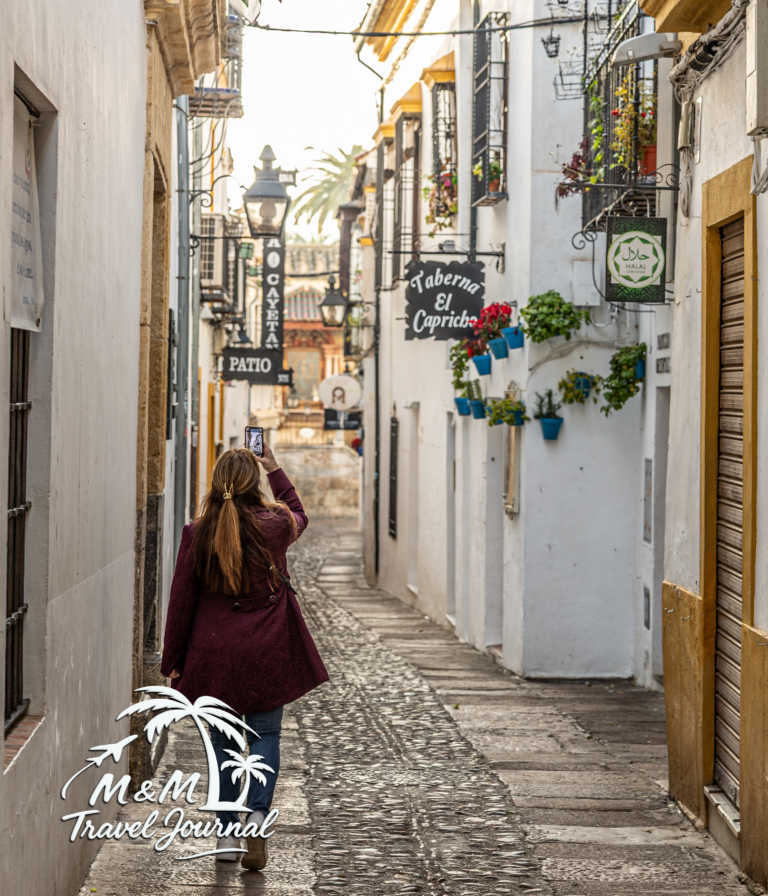
Flower-lined alleys, quiet courtyards, and layers of history.
Why visit Córdoba?
Córdoba is one of Andalusia’s most captivating cities—a living tapestry woven from Roman, Islamic, Jewish, and Christian threads. Once the capital of Moorish Spain, it was among the most advanced cities in medieval Europe, famed for its scholars, poets, and architecture. Today, its charm lies in this layered history: dazzling courtyards, flower-lined alleys, and the magnificent Mezquita-Catedral, one of the world’s great architectural wonders. Strolling through Córdoba feels like traveling back in time, yet the city remains alive with festivals, tapas bars, and Andalusian spirit.
Things to see & do in Córdoba
Mezquita-Catedral
The crown jewel of Córdoba. Once a grand mosque, later converted into a cathedral, it’s a mesmerizing blend of Moorish arches and Christian chapels. Step inside to experience one of the most breathtaking interiors in Spain.
Roman Bridge (Puente Romano)
Spanning the Guadalquivir River since the 1st century BC, it’s an iconic sunset spot with views of the Mezquita and Calahorra Tower.
Jewish Quarter (La Judería)
Wander the maze of cobblestone alleys lined with whitewashed walls and colorful flower pots. Don’t miss the 14th-century Synagogue and Casa de Sefarad for insight into Córdoba’s Jewish heritage.
Alcázar de los Reyes Cristianos
A fortress-palace with tranquil gardens, reflecting pools, and towers offering panoramic views. Once home to Catholic monarchs Ferdinand and Isabella.
Calleja de las Flores
One of the most photographed streets in Spain, famous for its flower-filled balconies and perfect view of the Mezquita’s bell tower.
Patios of Córdoba
The city’s hidden courtyards burst into color during the Festival de los Patios each May, when locals open their homes for visitors to admire their flower-filled oases.
Medina Azahara
The ruins of a 10th-century Moorish palace city just outside Córdoba, offering a glimpse into the city’s glorious past.
Getting to Córdoba
From Madrid by Train:
The high-speed AVE train from Madrid’s Atocha station takes about 1 hour 45 minutes. Córdoba’s train station is a 20-minute walk or short taxi ride from the historic center.
By Bus:
Several companies operate direct buses from Madrid, Granada, and Seville. Though slower than the train, buses drop you closer to the old town.
By Car:
Córdoba is about 1.5 hours from Seville or 2 hours from Granada. Parking is best on the outskirts of the historic center, as the narrow streets can be tricky to navigate.
Food & drink
Córdoba’s cuisine reflects its Andalusian roots. Try salmorejo, a thicker cousin of gazpacho topped with jamón and egg, and flamenquín, rolled pork coated in breadcrumbs and fried golden. For something sweet, pastel cordobés (a puff pastry with pumpkin and almonds) is a local treat. Tapas bars like Bodegas Campos or Taberna Salinas serve authentic dishes in centuries-old settings. Pair your meal with a glass of local Montilla-Moriles wine.
How long to stay in Córdoba
Day Trip: You can visit the Mezquita, Roman Bridge, and Jewish Quarter in a single day.
Overnight Stay: Spending the night lets you enjoy Córdoba’s peaceful evenings, wander its courtyards after the crowds leave, and savor the city’s magical lighting at dusk.
Where we stayed
Our hotel in Córdoba was the Eurostars Conquistador.
Tips for visiting Córdoba
- Start Early: The Mezquita opens in the morning, and early hours mean fewer tourists and softer light for photos.
- Stay in the Old Town: Hotels near the Mezquita or Judería let you walk everywhere.
- Visit in May: During the Festival de los Patios, the city transforms into a sea of flowers.
- Dress for Heat: Summers are extremely hot—spring and fall offer the most pleasant temperatures.
- Book Ahead: Tickets for the Mezquita and Alcázar can sell out during peak months.
Come along with us
Watch our Córdoba video
Join us as we explore Córdoba.

Córdoba’s history & atmosphere
Córdoba is one of Spain’s most atmospheric cities, where layers of history and culture blend seamlessly. Once the capital of Islamic Spain during the Middle Ages, it was a beacon of knowledge, art, and tolerance — home to scholars, poets, and philosophers who helped shape the Renaissance. Its most famous landmark, the Mezquita-Catedral, perfectly encapsulates this legacy: a mesmerizing forest of red-and-white arches that began as a mosque in the 8th century and later became a cathedral. Walking through it feels like stepping into a living timeline, where Moorish artistry meets Christian grandeur.
Beyond the Mezquita, Córdoba invites exploration through its labyrinth of narrow, whitewashed streets adorned with vibrant flower pots and hidden patios — the city’s signature charm. The Calleja de las Flores, one of the most photographed alleys in Spain, opens to a stunning view of the Mezquita’s bell tower framed by blooming geraniums. In spring, the annual Festival de los Patios transforms the city into a celebration of color and scent, when locals open their courtyards to visitors. Córdoba’s magic lies in these contrasts — grand and intimate, ancient and alive — making it one of Andalusia’s most captivating destinations.
Final thoughts on Córdoba
Córdoba is where cultures meet and history whispers from every courtyard. Whether you’re marveling at the red-and-white arches of the Mezquita, wandering narrow streets perfumed with jasmine, or watching the sunset from the Roman Bridge, the city feels both ancient and alive. For us, Córdoba wasn’t just a stop on our Andalusian journey—it was a place that lingered in our hearts long after we left.