
M&M Travel Journal · Spain
Seville (Sevilla)
travel guide
Grand landmarks, tapas, and the warmth of southern Spain.
Start here
Why visit Seville?
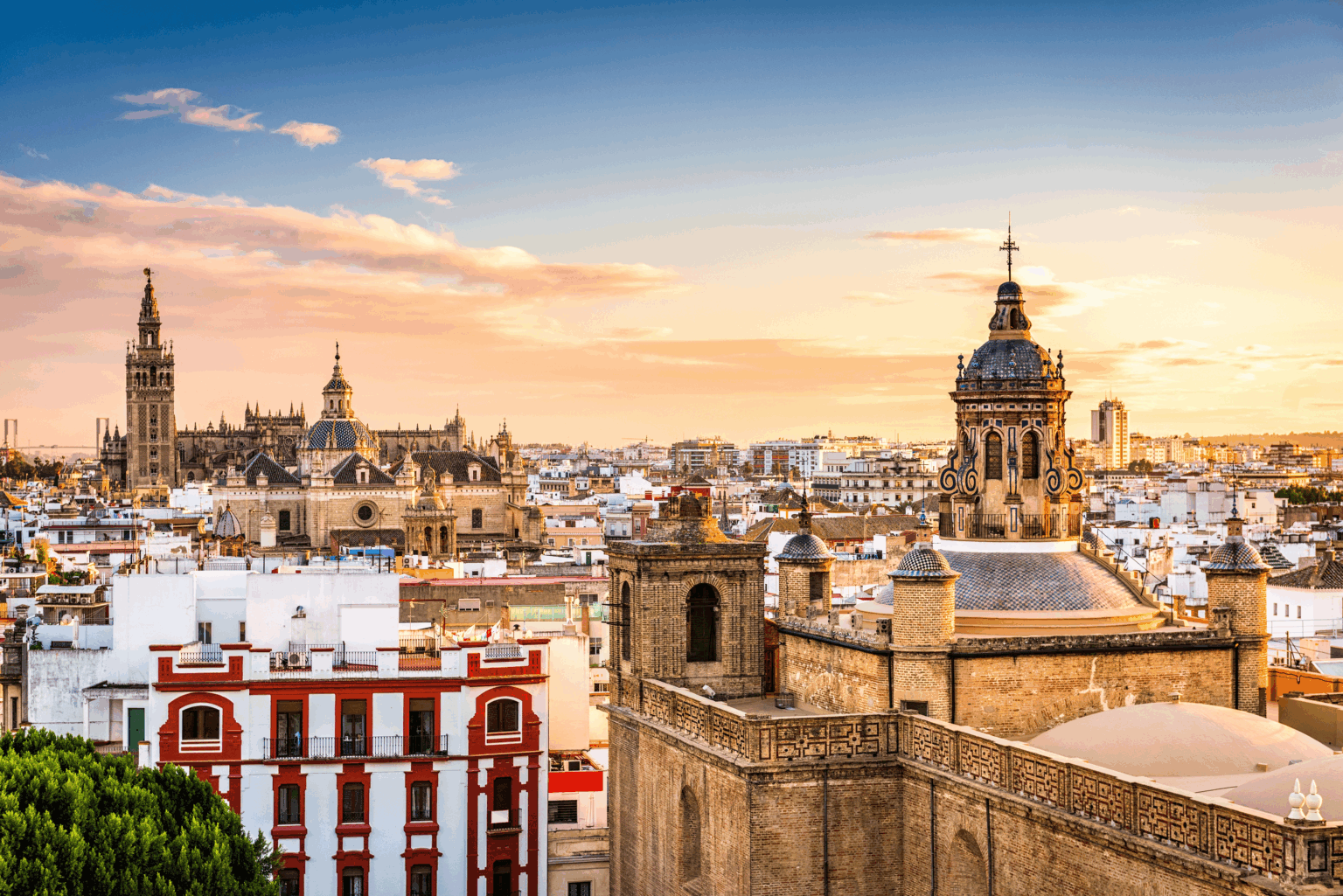
Seville is one of those cities that instantly pulls you in—the warmth, the colors, the rhythm of life everywhere you turn. It’s the capital of Andalusia and feels like the very heart of southern Spain. Between its grand landmarks—the Seville Cathedral, the Real Alcázar, and the Plaza de España—and the simple magic of flamenco echoing through cobblestone alleys, Seville captures everything we love about travel: history, culture, and that unmistakable energy you can’t quite describe but never forget.
If you’re exploring Spain, Seville is a destination that balances big-city vibrancy with an old-world soul. It’s romantic, walkable, and overflowing with charm.
Planning your visit
Getting to Seville
From Madrid by Train:
The high-speed AVE train from Madrid Atocha to Seville’s Santa Justa Station takes about 2.5 hours. Once there, taxis or local buses will get you into the historic center in minutes.
By Bus:
Buses from Madrid, Granada, and Córdoba arrive at the Prado de San Sebastián station. It’s slower than the train but often cheaper and drops you near the old town.
By Car:
Driving from Madrid takes around 5–6 hours. Parking is available in city garages, but we don’t recommend driving in the historic core—it’s better explored on foot.
By Plane:
Seville Airport (SVQ) has direct flights from many European cities. The EA Airport Bus takes about 30–35 minutes to reach the center.
Explore the city
Top things to see & do
Seville Cathedral & La Giralda
The largest Gothic cathedral in the world and a true masterpiece. Inside you’ll find Christopher Columbus’s tomb, and if you climb the Giralda Tower, you’ll be rewarded with sweeping views of the city’s terracotta rooftops.
Real Alcázar of Seville
A royal palace that looks like it’s straight out of a dream. Its mix of Islamic and Christian design, lush gardens, and peaceful courtyards make it one of our favorite spots in Spain. We recommend booking tickets online in advance.
Plaza de España
Built for the 1929 Ibero-American Exposition, this enormous plaza feels like a movie set (and actually is—Star Wars fans will recognize it!). Each tiled alcove represents a different Spanish province. Rent a rowboat for a fun way to take it all in.
Barrio Santa Cruz
Seville’s old Jewish quarter is a maze of narrow lanes and flower-filled courtyards. Perfect for aimless wandering, camera in hand, with plenty of tapas stops along the way.
Metropol Parasol (Las Setas)
A modern contrast to Seville’s old architecture. Head up to the rooftop walkway for panoramic views, especially at sunset.
Flamenco in Triana
Across the river, the Triana neighborhood is the birthplace of flamenco. Find a small tablao for an intimate, passionate performance—it’s one of the best ways to feel Seville’s soul.
Where we stayed
Our hotel in Sevilla
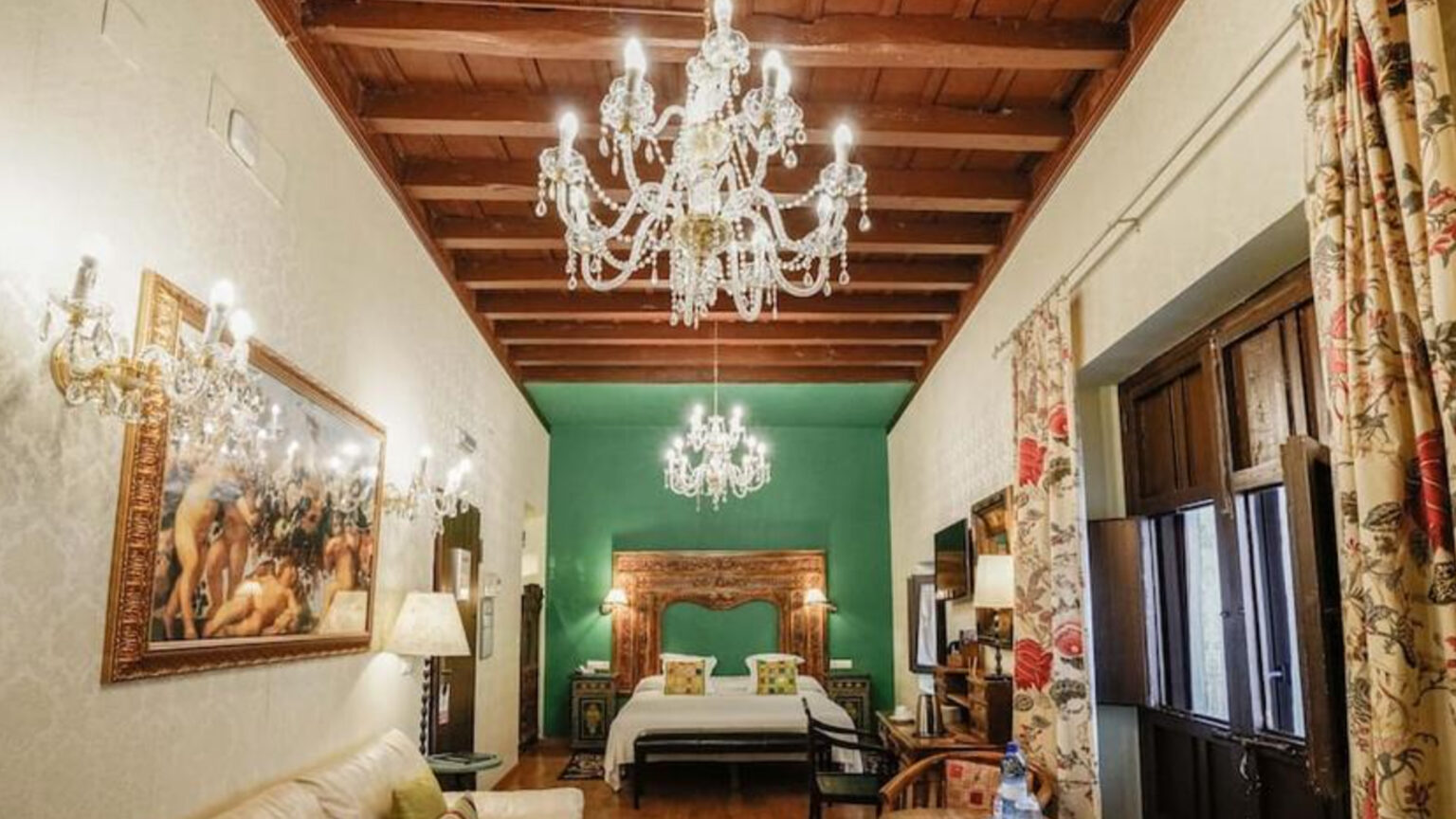
El Rey Moro Hotel Boutique
The El Rey Moro Hotel Boutique in Seville was easily one of our favorite hotels in all of Spain. Tucked away on a quiet street in the heart of the old town, it felt like we had discovered a little secret oasis. The building itself is a restored 16th-century mansion, full of character with colorful tiles, hanging plants, and a peaceful courtyard that made us want to linger every morning before heading out. The location couldn’t be better—just steps from the Cathedral and the Alcázar. We loved how personal and welcoming it felt, and we’d highly recommend it to anyone visiting Seville.
I will never forget about the time the concierge insisted on holding an umbrella over my head while I walked about a block to catch a cab.
At the table
Food & drink in Seville
Seville’s food scene is as lively as its streets. Tapas are the way to go here—order a few at a time and share. Some of our favorites:
Salmorejo – a thick, creamy tomato-cold soup from Córdoba that’s popular here too.
Espinacas con garbanzos – a local dish of spinach and chickpeas with Moorish roots.
Bacalao frito – crispy fried cod.
For a taste of history, visit El Rinconcillo, the oldest tavern in Seville, open since 1670. For a modern twist, try La Brunilda or Espacio Eslava. Pair your meal with a glass of tinto de verano (red wine with lemon soda) or manzanilla sherry.
Don’t skip dessert—torrijas (Spanish-style French toast) or churros con chocolate are Seville classics.
Make room to explore
How much time do you need?
2–3 Days: Perfect for hitting the highlights—the Cathedral, Alcázar, Plaza de España, and a flamenco show.
4+ Days: Gives you time to slow down, enjoy late dinners, explore Triana, and maybe take a day trip to Córdoba or Itálica (an ancient Roman site just outside the city).
Before you go
Tips for visiting Seville
Book ahead: The Alcázar and Cathedral tickets often sell out, especially in spring.
Plan around the heat: Summers can get brutally hot. Morning and evening sightseeing is best.
Stay central: Santa Cruz or El Arenal are great bases for walking everywhere.
Pack light: Cobblestones and narrow streets don’t mix well with heavy luggage.
Best time to visit: Spring and fall are ideal for weather and festivals—Semana Santa (Holy Week) and Feria de Abril are unforgettable.
A closer look
Seville’s history & atmosphere
Seville, the capital of Spain’s Andalusia region, is a city that radiates history, warmth, and passion. Known for its blend of Moorish, Gothic, and Renaissance architecture, Seville feels like a living museum of Spain’s layered past. The city’s crown jewel is the Seville Cathedral—one of the largest in the world and home to the tomb of Christopher Columbus—anchored by the Giralda tower, a former minaret that now offers sweeping views of the city. Just steps away lies the Real Alcázar, a stunning royal palace still in use today, famous for its intricate Mudejar designs, tranquil courtyards, and lush gardens that seem to transport visitors into another era.
Beyond its grand monuments, Seville thrives on everyday magic: the aroma of orange blossoms drifting through narrow streets, the rhythm of flamenco echoing from local taverns, and the golden glow of sunset reflecting off the Guadalquivir River. Add in tapas culture, lively plazas, and the city’s deep-rooted traditions, and Seville reveals itself not just as a destination to visit—but as an experience to feel.
From our travels
Final thoughts on Seville
Seville is more than a destination—it’s a feeling. From the sound of flamenco echoing through hidden courtyards to golden sunsets over Plaza de España, it’s a place that stays with you long after you leave. For us, Seville wasn’t just a stop on our trip—it was one of those cities that reminded us why we love to travel in the first place: for the moments that make you pause, smile, and wish you could stay just one more night.